
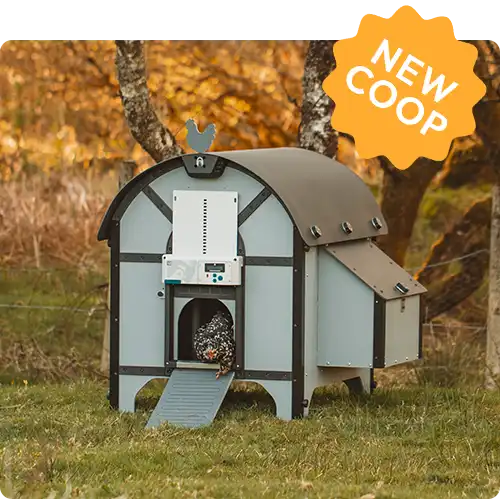


CHICKEN COOPS
The complete guide to choosing the right chicken coop
For First-Time chicken Keepers Who Want Happy Hens & Hassle-Free Care when it comes to coops
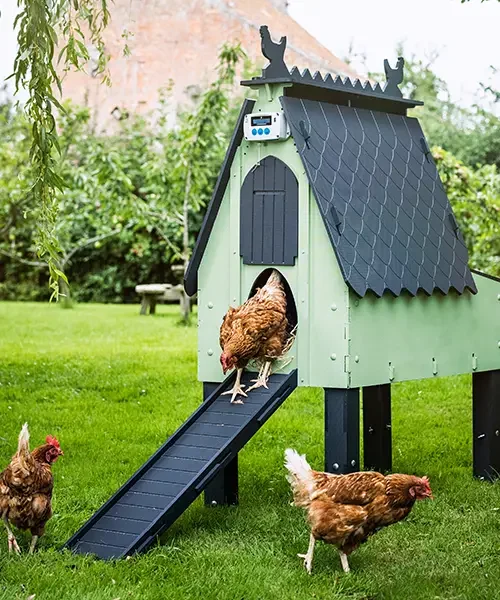
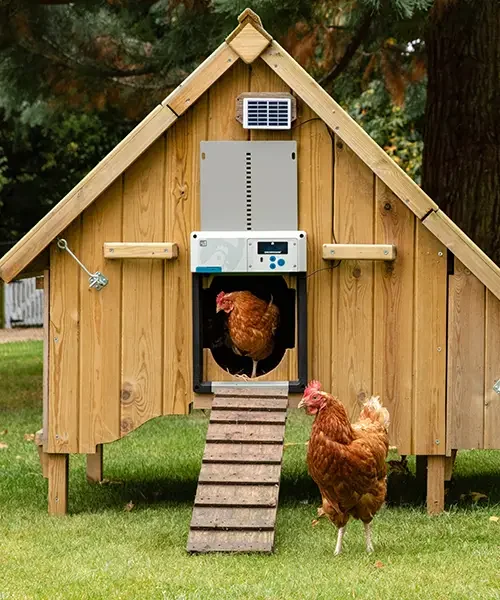
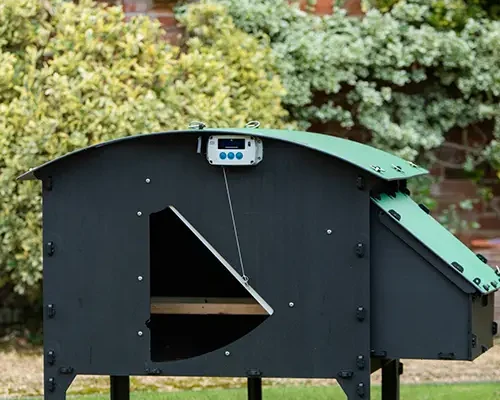
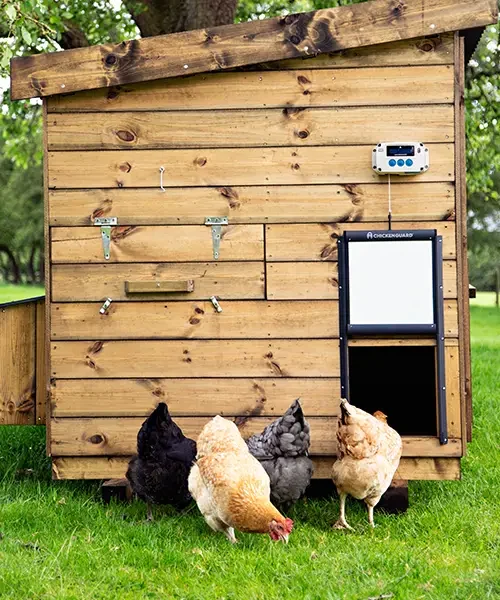
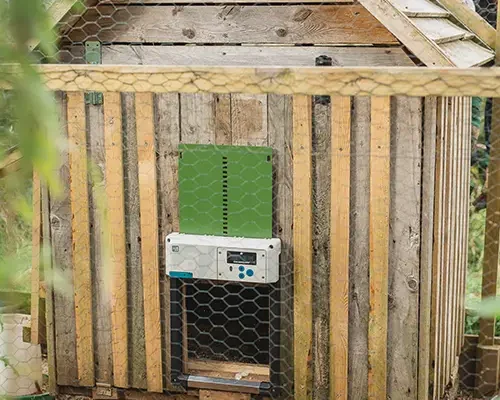
Your Chickens Home🐔
If you’re stepping into the wonderful world of chicken keeping for the first time, you’re in exactly the right place. This guide walks you through everything you need to know to choose a coop that keeps your flock safe, comfortable, and gloriously productive without turning your weekends into construction projects or cleaning marathons.
And because we’ve spent years helping chicken keepers protect their girls from predators, pests, and the great British weather, we’ve built this guide with real beginners in mind. Clear, friendly, practical… with the occasional chicken pun sprinkled in (tastefully, of course).
Why your chicken coop matters🏠
Your coop is more than a hen house. It’s where your girls sleep, lay, perch, gossip, and generally run their feathery empire. A well-designed coop can be the difference between:
1. A happy flock with great laying performance
vs. stressed hens who never quite settle
2. Quick, easy cleaning
vs. 45 minutes of “why is this hinge loose… again?”
3. Peace of mind about predators
vs. you racing outside at dusk because you forgot to close the door (hey, it happens!)
For new keepers, this can sour the whole experience.
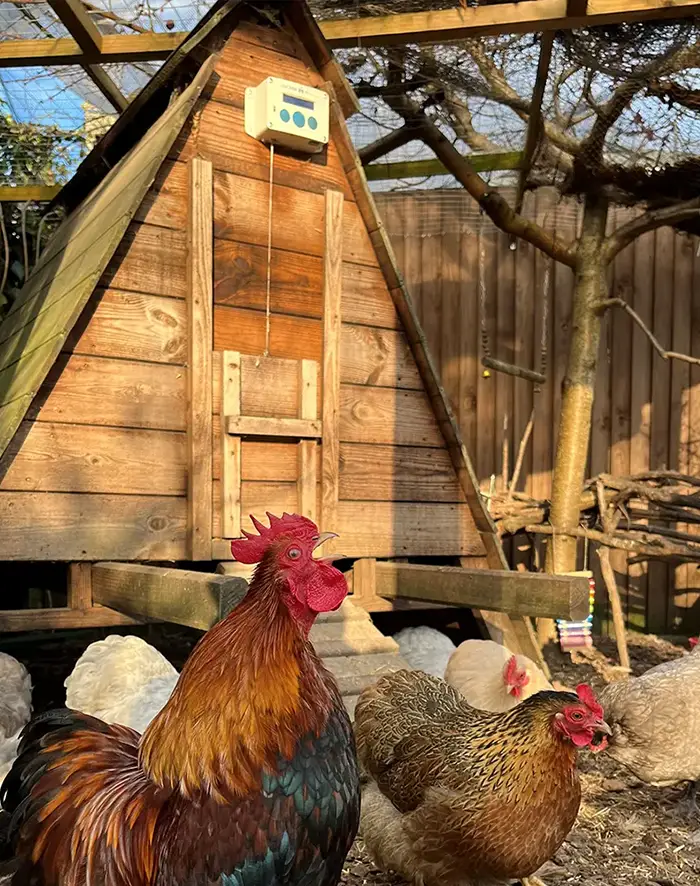
A great coop simplifies everything
A well-built, weatherproof, easy-access coop means:
- Quick daily care
- Stress-free cleaning
- Fewer pest problems
- Better welfare for your girls
And when it’s paired with a ChickenGuard automatic door
You get reliable open/close times, improved predator protection, and fewer “did I shut the coop?” moments.
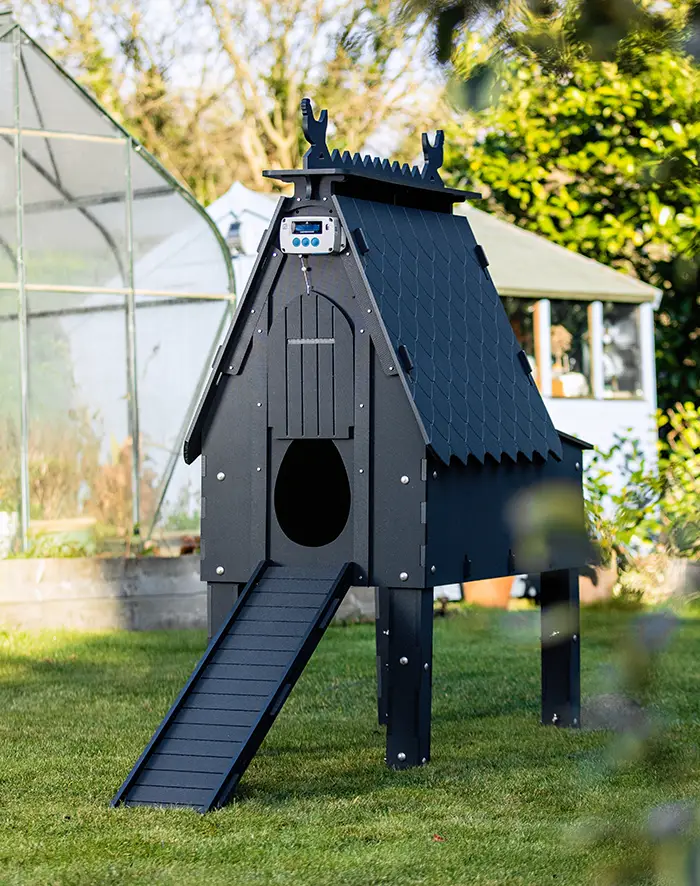
What Makes a Great Chicken Coop?
Whether you choose ChickenGuard’s new coop range or another design, here are the must-have features, especially for first-time keepers.

Size & Space
- 4 sq ft per hen inside is a solid rule of thumb for most backyard breeds.
- Enough headroom for perching without bumping into the roof.
- Nest boxes at a 1:3 ratio (one box per three hens).
- A layout that’s easy to reach inside – your future self will thank you on cleaning day.
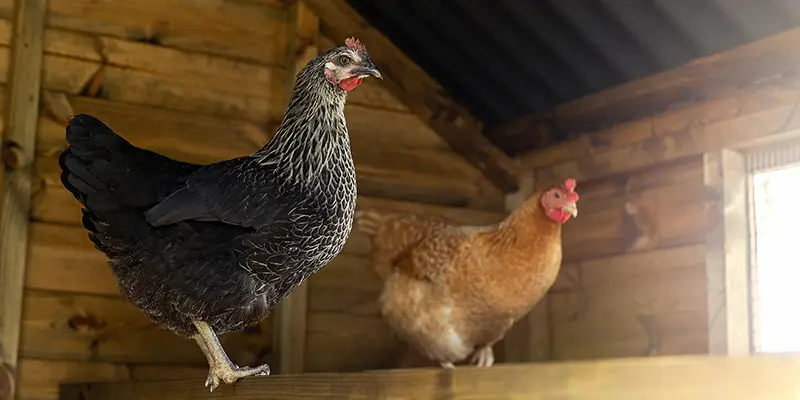
Ventilation & Insulation
Chickens breathe out a surprising amount of moisture. Good airflow is important as it:
- Prevents dampness
- Reduces respiratory issues
- Keeps summer air fresh
- Avoids icy drafts in winter
Plastic coops excel here because their panels don’t swell, warp, or trap moisture.
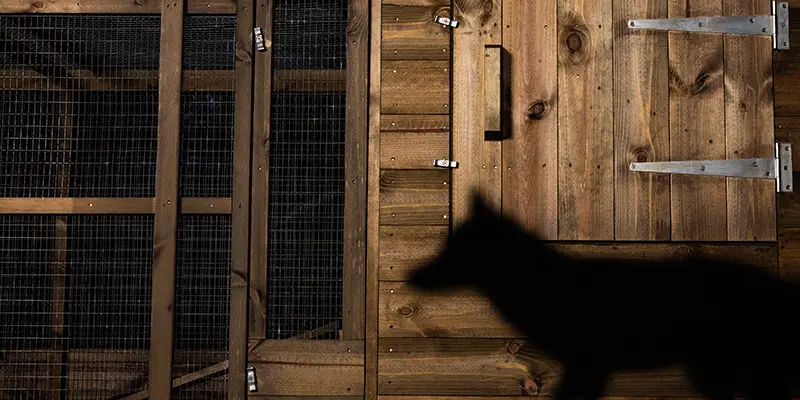
Predator Protection
No matter where you live, something out there fancies a chicken dinner.
A good coop should include:
- Solid construction
- Strong locks
- A pop-hole door that closes securely
- Raised design to deter digging predators
- Metal mesh (not chicken wire) on any openings
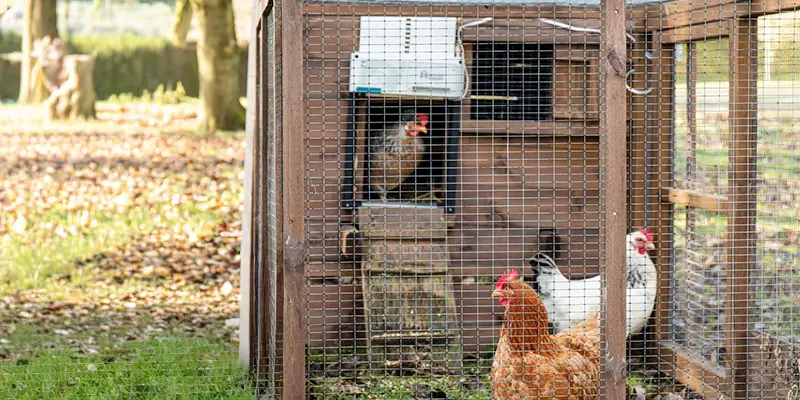
Compatibility with Auto Doors
If you’re a first-timer, an automatic pop-hole door is one of the biggest upgrades you can make. Choose a coop that:
- Has stable, flat mounting area
- Allows the pop-hole door to slide/tip open freely or to be replaced with an automatic one
- Doesn’t warp or swell
Plastic vs. Wooden Coops: Honest Comparison
Because this decision can make or break your first year of chicken keeping. Most new keepers assume wooden coops are “traditional” and therefore better. However, modern high-quality recycled plastic coops are a game-changer.
Winner for first-time keepers: Plastic Coops
Here’s why:
1. Red Mite Resistance – Red mites adore wooden cracks, joints, and knots. Plastic gives them far fewer hiding places, and when you DO find them, a quick jet wash sends them packing.
2. Easier Cleaning – Plastic coops make cleaning easy because they don’t absorb moisture or smell, can be rinsed clean in minutes, and can withstand strong disinfectants without damage. With wooden coops a proper deep clean can take all day.
3. No Rot, No Warping – Wood expands and contracts in response to the seasons. Plastic stays rigid, weatherproof, and reliable year-round.
4. Lightweight & Easy To Move – Perfect for rotating your flock onto fresh grass or repositioning your coop.
5. Sustainability – Modern recycled plastic is made from reclaimed materials, lasts far longer than softwood, doesn’t require chemical treatments, and is fully recyclable at the end of its life. A wooden coop often requires several tins of paint and stain throughout its lifespan, which is not very environmentally friendly.
6. Cost-Effective Long Term – Wooden coops often lead to issues such as rot, frequent repairs, ongoing red-mite treatments, and eventually the need for replacement coops
What about building your own coop? Join us in the journey
After more than 13 years of making chickens safer with automatic coop doors, we kept hearing the same question from you:
“When are you going to build a coop?”
So… we’re finally answering it.
But instead of disappearing into a workshop and guessing what you need, we’re doing this the ChickenGuard way – together.
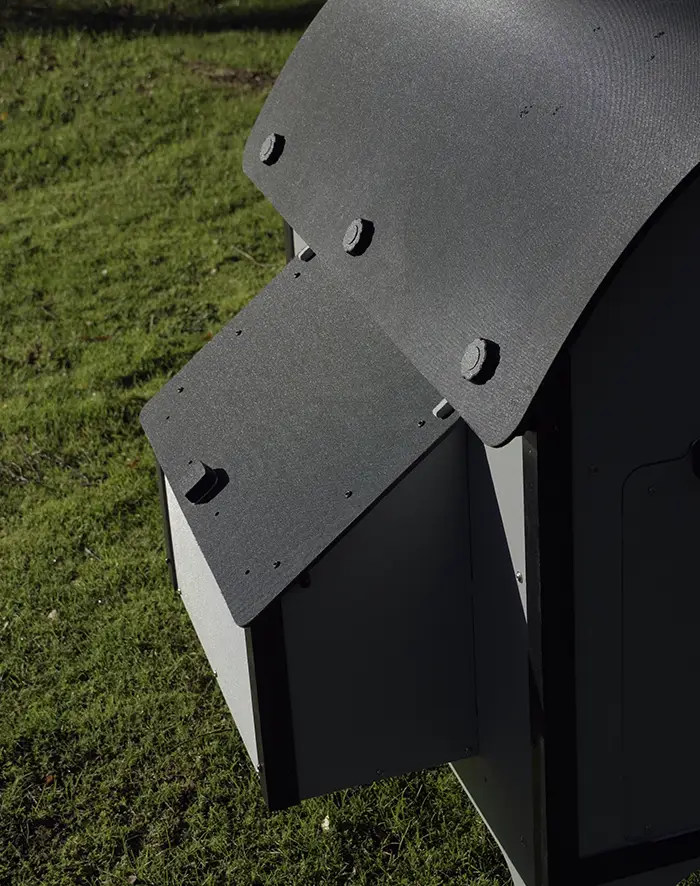

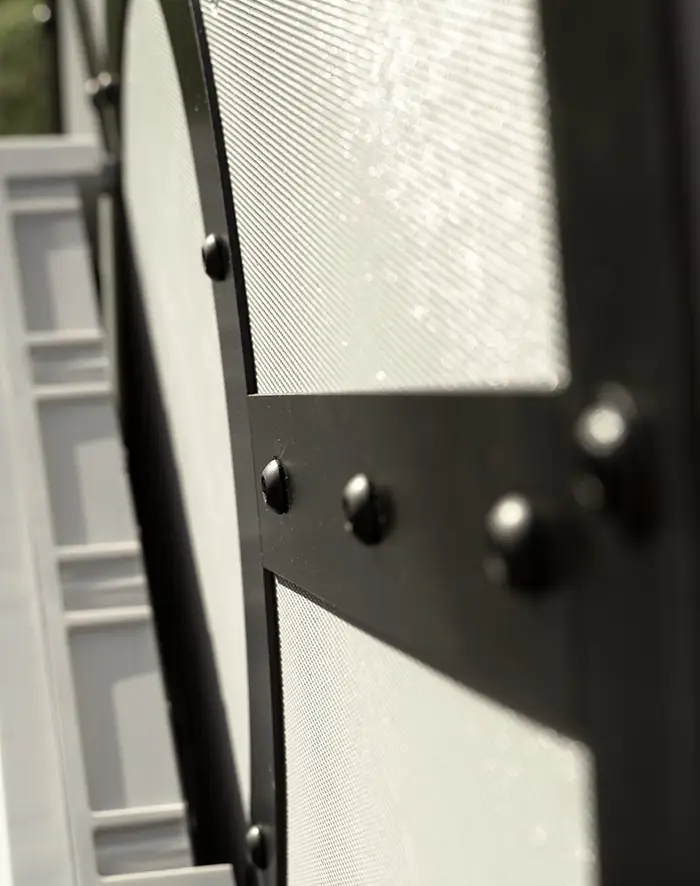
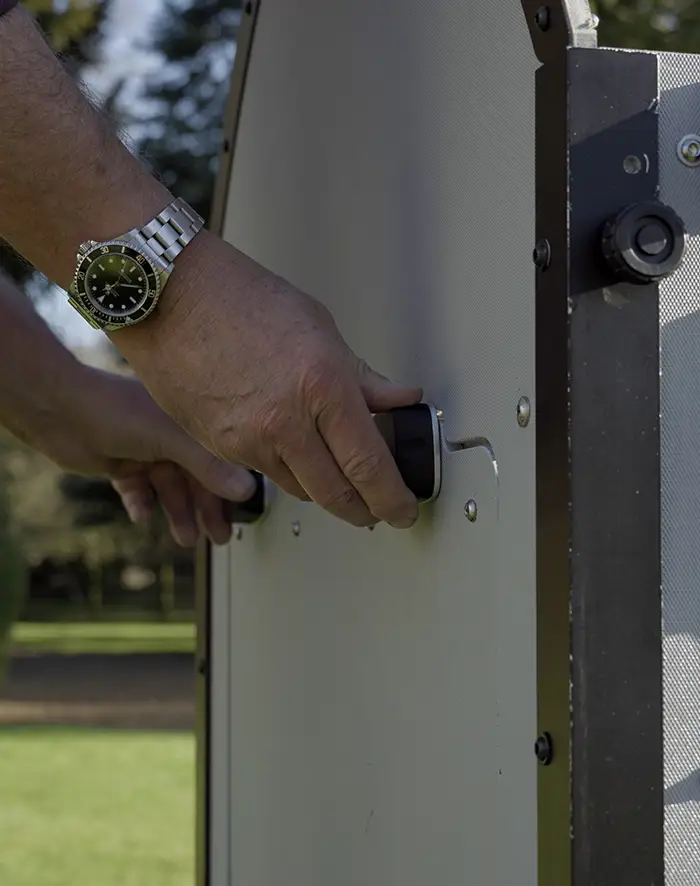
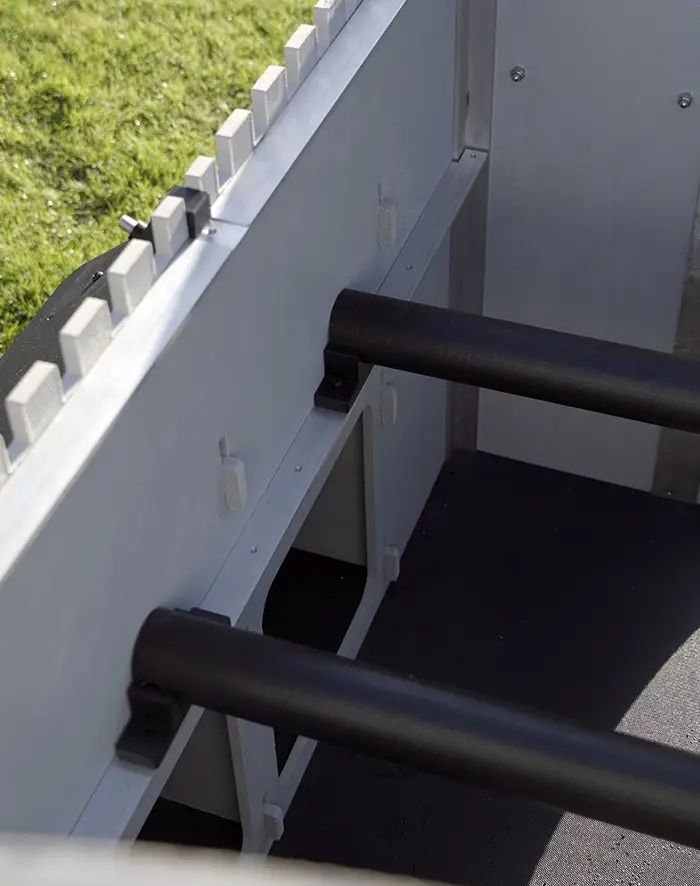

Ben’s Big Question
Ben – ChickenGuard founder, lifelong tinkerer, and the mind behind our coop designs – asked one simple but powerful question:
“How do we bring the heart of the barn to our chickens?”
That question has guided everything since.
Think:
Warmth – cosy, calm spaces your girls actually enjoy roosting in
Protection – strong, secure design that works hand-in-hand with automatic doors
Tradition – timeless, barn-inspired design that feels right in your garden
Care – because good design should make your life easier too
The result? A coop inspired by The Barn – familiar, reassuring, and built around the real needs of chickens and keepers.
Where We’re At Right Now
- Actively designing and refining
- Gathering feedback and feature requests from real chicken keepers
- Testing ideas around access, cleaning, comfort, and predator protection
Want to Be Part of It?
We’d love you to come along for the ride, Follow our progress on social media
Share your thoughts, ideas, and “must-have” features
Sign up to our mailing list to hear updates directly from us (and be first to see what hatches 🥚)
This coop is being built with heart, heritage, and a whole lot of chicken love, and we can’t wait to show you what’s coming next.


Common Questions About Chicken Coops
How many hens should a beginner start with?
Most new keepers do brilliantly with 3–6 hens. It’s the ideal starter flock: friendly, manageable, and just enough characters to keep things entertaining.
Why 3–6 hens is the magic number:
- Easier to manage flock dynamics
- Reliable egg supply without overwhelming you
- Lets you learn the basics before “chicken maths” inevitably kicks in
If you discover you’re completely smitten (you will), it’s easy to expand later.
What size chicken coop do you need?
Your ideal coop size depends on your available space and your flock goals.
Small garden
Choose a compact coop for 3–4 hens.
Perfect for beginners with limited space but big enthusiasm.
Medium garden
Go for a mid-size coop for 4–6 hens.
A great flexible option if you suspect more hens may “accidentally” join you.
Large garden or smallholding
Pick a large or walk-in coop for 6+ hens.
Easy access, better ventilation, and room to grow — both you and the flock.
Quick rule of thumb:
If you think you might want more hens in future… pick the next size up. It saves you from reinventing the coop later.
What type of chicken coop is easiest to clean?
If your priority is low maintenance, then a plastic coop is hands-down the easiest option.
Why plastic wins for cleaning:
- Quick to hose down
- Dries fast
- Doesn’t absorb moisture
- Far less attractive to red mites
- Lighter weight for moving and deep cleans
Perfect for keepers who enjoy their chickens more than the scrubbing.
How do you choose a coop with good predator protection?
Look for a coop designed to work seamlessly with an automatic chicken coop door.
It adds reliable dawn and dusk protection, especially when you’re not home to tuck everyone in.
Extra predator-proofing tips:
- Avoid gaps larger than a fox’s paw
- Choose strong wire, not thin mesh
- Raise the coop off the ground
- Pair your coop with a secure run if your girls free-range unsupervised
Peace of mind for you, maximum safety for your girls.